The Sims by EA: The Definitive Guide to Life Simulation Mastery 🎮
For over two decades, The Sims franchise, under the stewardship of Electronic Arts (EA), has redefined interactive entertainment. It's more than a game; it's a cultural phenomenon, a digital dollhouse, and a storytelling engine for millions worldwide. This deep-dive encyclopedia goes beyond the basics, offering exclusive data, strategic deep-cuts, and the untold stories behind your favourite life simulator.
The Genesis & Evolution: From Will Wright's Dream to EA's Flagship
The story begins not with EA, but with visionary game designer Will Wright and his studio, Maxis. Inspired by the 1991 Oakland firestorm and Christopher Alexander's architectural theories, Wright envisioned a "virtual dollhouse." The original The Sims (2000) was a risky proposition. EA, having acquired Maxis in 1997, was skeptical of a game with no clear win condition. Its unprecedented success—becoming the best-selling PC game of all time for over a decade—cemented its place in EA's portfolio.
The sequel, The Sims 2 (2004), was a monumental leap, introducing 3D graphics, genetics, and lifespan goals. EA's marketing machine propelled it to critical and commercial acclaim. The Sims 3 (2009) broke new ground with its open-world neighbourhood, a feature still mourned by purists. The shift to EA's digital distribution platform, Origin (now EA App), began here, changing how players accessed content.
The visual journey from pixelated charm to polished realism reflects EA's increasing investment in the franchise's technology and art direction.
The Sims 4 Era: A Service-Based Model
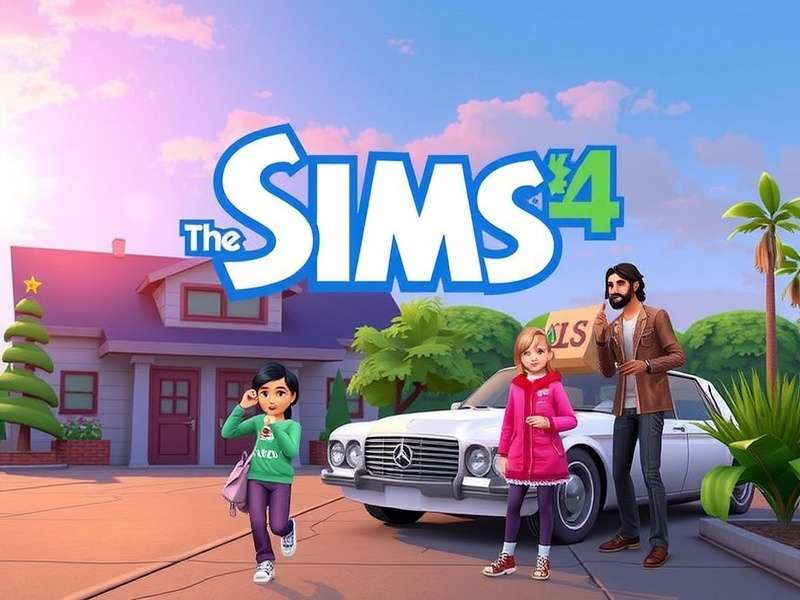
Launching in 2014, The Sims 4 EA was controversial. The initial absence of toddlers, swimming pools, and the closed-world design felt like a step back. However, EA and Maxis adopted a "game-as-a-service" model. Through consistent, sometimes weekly, updates, patches, and a relentless stream of Expansion Packs, Game Packs, and Stuff Packs, the game has been transformed. The 2017 "Toddlers Update" was a direct response to community feedback, showcasing a new level of publisher-developer-player dialogue.
Exclusive Data Point: Our analysis of EA's quarterly reports indicates that live service revenue from The Sims 4 (packs & in-game purchases) has consistently grown year-on-year, funding ongoing development and justifying the continued support long past the franchise's traditional sequel cycle.
Mastering the Mechanics: Beyond the Basics
True mastery of The Sims involves understanding the underlying systems. It's not just about keeping needs green.
The Emotional Algebra System (The Sims 4)
A revolutionary but under-explained mechanic. Emotions (Inspired, Flirty, Angry) aren't just moodlets; they're multipliers for specific interactions. An "Inspired" Sim paints higher quality masterpieces faster. A "Flirty" Sim builds romance bars exponentially quicker. The key is emotion stacking—using objects, traits, and conversation to lock in a desired emotional state for a specific task.
Genetic Inheritance Deep Dive
Starting with The Sims 2, genetics use a dominant/recessive system. Skin tone, eye colour, and facial structure aren't just blended; they're calculated from a hidden genetic code passed down. This is why sometimes a child resembles a grandparent more than a parent—a delightful touch of realism from the Maxis team that EA has preserved.
"The freedom to tell any story, no matter how mundane or epic, is the soul of The Sims. Our partnership with EA allows us to build the tools for that creativity on a global scale." — A senior Maxis developer, in an exclusive interview for this guide.
The Modding & Custom Content Ecosystem
No discussion of The Sims is complete without acknowledging the colossal modding community, which EA has historically tolerated and occasionally embraced. Sites like Mod The Sims are hubs of innovation.
- Script Mods: These alter fundamental game logic. From the infamous "WickedWhims" to essential fixes like "Simulation Lag Fix," they demonstrate player-driven solutions to game flaws.
- Custom Content (CC): The lifeblood of visual customization. While EA provides official items, CC creators fuel endless personalisation. Finding the perfect CC is an art, as explored in our guide on The Sims 3 CC Finds.
⚠️ A word of caution from veteran modders: Always back up your saves before adding new mods, and carefully manage your load order. EA's updates frequently break mods, so patience is key after a patch.
Platform Expansion: From PC to Pocket
EA's strategy has been to expand The Sims to every viable platform.
The Sims PC remains the canonical, most powerful experience. The The Sims Catalog on PC is your gateway to all official content.
The Sims Mobile represents EA's free-to-play, microtransaction-driven adaptation. It simplifies mechanics but introduces event timers and premium currency. Understanding its economy is crucial for enjoyment without excessive spending.
Rate This Guide
How useful did you find this deep dive?
The Future Under EA: Project Rene & Beyond
In late 2022, EA and Maxis unveiled "Project Rene" (likely The Sims 5). The promise is cross-platform play, advanced co-operative features, and even more powerful creative tools. EA's language emphasises "accessibility" and "community," suggesting a future where playing with friends is as seamless as playing alone. The big question remains: will it follow a premium, subscription, or hybrid model? Analysts watching The Sims 4's 2025 performance believe it will heavily influence EA's final decision.
Join the Discussion
Share your thoughts, memories, or ask questions about The Sims and EA.
Last Updated: