What is Sims? The Ultimate Guide to the World's Premier Life Simulation Phenomenon
Ever wondered what The Sims really is? Beyond the pixels and plumbobs lies a cultural juggernaut that has captivated over 200 million players globally. This isn't just a game—it's a digital dollhouse, a storytelling engine, and a social experiment wrapped in one. Let's dive deep.
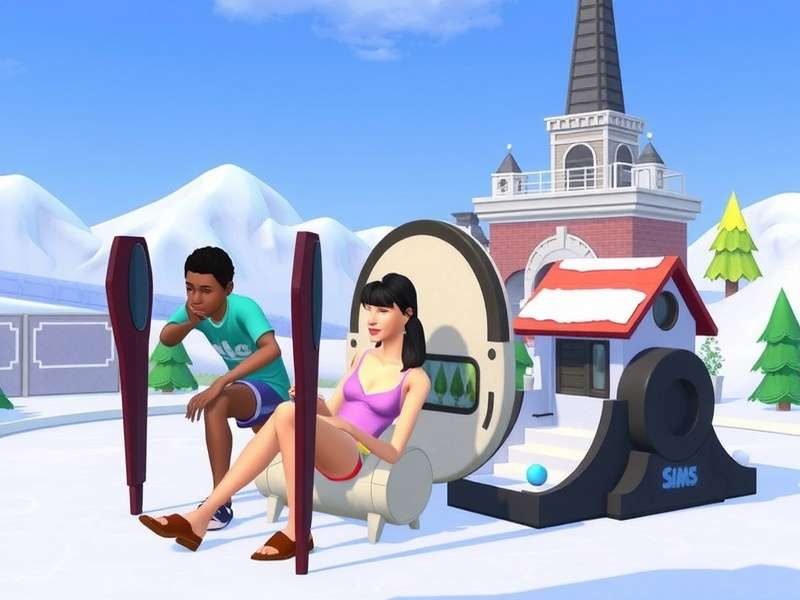
Defining The Sims: More Than Just a Game
At its core, The Sims is a life simulation video game series developed by Maxis and published by Electronic Arts. The franchise pioneered the "sandbox life simulation" genre, allowing players to create and control virtual people (Sims) in a suburban setting. The gameplay is open-ended, with no predefined goals—players set their own objectives, whether it's raising a family, building a mansion, or pursuing a career.
The genius lies in its "software toy" philosophy, as coined by creator Will Wright. It's a tool for creativity and emergent narrative. Unlike traditional games with win/lose conditions, The Sims focuses on player agency and storytelling. You're the director, writer, and set designer of your own digital soap opera.
The Core Pillars of Gameplay
Three fundamental mechanics define The Sims experience:
- Create-A-Sim (CAS): The iconic character creator where you design Sims' appearance, personality traits, and aspirations. This is where your stories begin.
- Build/Buy Mode: An architectural toolkit to construct dream homes and furnish them down to the last decorative plate. Many players spend hours here alone!
- Live Mode: Where you guide your Sims through daily life—managing needs (hunger, hygiene, fun), building relationships, and advancing careers.
A Journey Through Time: The Evolution of The Sims
The franchise has evolved dramatically since its groundbreaking debut. Let's trace its history.
The Original Game: The Sims 1 (2000)
Released in February 2000, the original game was a radical departure from mainstream gaming. It featured isometric graphics and a focus on domestic life. The now-iconic needs bars (Hunger, Comfort, Hygiene, Bladder, Energy, Fun, Social, Room) defined gameplay. Expansions like "Livin' Large" and "Hot Date" introduced supernatural elements and dating, setting the template for future iterations.
The Breakthrough: The Sims 4 (2014) and Beyond
The current flagship, The Sims 4, launched with a renewed focus on emotions and smarter Sims. Its drag-and-drop building system is considered the most intuitive in the series. Through continuous updates and packs like "Seasons," "Get Famous," and "Cottage Living," it has grown into a massive platform. The community also thrives on custom content created via tools like The Sims 4 Studio.
Mobile & Online Ventures
The franchise has successfully adapted to new platforms. The Sims FreePlay is a long-running mobile version with real-time events. Earlier, there was an ambitious multiplayer project, The Sims Online (2002), which presaged today's social gaming trends. For modders and custom content hunters, sites like The Sims Resource for Sims 3 remain invaluable repositories.
Why Are We Obsessed? The Psychology Behind The Sims
What explains the enduring appeal? Psychologists point to several factors:
- Control & Wish Fulfilment: In a chaotic world, The Sims offers a controllable microcosm. You can live out fantasies—become a millionaire, a wizard, a perfect parent—without real-world consequences.
- Story Generation: The game is a powerful "emergent narrative" engine. Unscripted interactions between Sims create unique, personal stories players love to share.
- Creative Expression: For many, Build Mode is a digital equivalent of LEGO or interior design. Platforms like The Sims Catalog showcase incredible player creations.
🎮 Player Insight: "I don't play to 'win.' I play to tell stories. My current legacy family has drama, betrayal, and a ghost haunting the basement. It's my favourite soap opera." – Maya, 28, long-time simmer.
The Vibrant Community: From Mods to Let's Plays
The Sims community is one of gaming's most creative and supportive. It's a ecosystem of creators:
- Modders & CC Creators: They extend the game infinitely, adding everything from realistic hair to complex gameplay overhauls.
- Storytellers & Streamers: Content creators like Kristina plays The Sims weave elaborate narratives for millions of viewers.
- Challenge Inventors: From the "Legacy Challenge" (10-generation family) to "Rags to Riches," community-created rules add structure and replayability.
This sense of shared creativity is why The Sims is more than a sim game—it's a collaborative platform.
The Future: What's Next for The Sims?
With rumours of "Project Rene" (likely The Sims 5) circulating, the future points towards more connected, flexible experiences—potentially with cross-platform play and more robust multiplayer features. The core appeal, however, will remain: giving players a digital sandbox to create, control, and tell stories.
For newcomers wondering "what is Sims?", the best answer is: try it. Create a Sim, build a ridiculous house, and see what stories emerge. You might just find yourself, like millions before you, utterly hooked.
Related Exploration: If you enjoy the life simulation genre, you might also explore other titles in the broader simsy category of games that focus on simulation and management.
Rate This Article
How helpful was this guide to understanding The Sims?
Join the Discussion
Share your thoughts, memories, or questions about The Sims!